Cloud Computing: A Guide for Lawyers
4 min read



With advances in technology, internet services have become available to consumers on the go. One can access online services such as Gmail, Yahoo, Amazon, Netflix, Facebook, and Uber on any device, such as a smartphone, tablet, or laptop. This is only possible due to cloud computing.
Cloud computing is the availability of on-demand online services such as applications, data storage, and processing power. It enables users to access Software and online services from anywhere without needing any physical infrastructure.
For better practice management, businesses of all sizes typically use cloud service providers to deliver required services, such as storage or applications. These businesses can then run their operations like contract management, litigation, intellectual property, etc., effectively and cater to their consumers' needs using cloud computing services.
The cloud services model can be broken down into three parts. Firstly, Infrastructure as a Service (IaaS), also called Hardware as a Service, is computing Infrastructure managed over the internet, including servers, storage, and networking.
Second, Platform as a Service (PaaS) is an added layer on top of IaaS, comprising tools and Software that developers can use to create, manage, and run applications.
Finally, Software as a Service (SaaS) refers to applications that users can access and use daily.
The dynamic legal landscape is compelling legal firms to choose cloud-based practice management to stay in the game. According to the 2020 American Bar Association's Legal Technology Survey Report, 58% of lawyers use cloud services. On average, an employee in a business firm uses 36 cloud applications and is familiar with such services. Further, 67% of lawyers use Dropbox, the popular cloud service for storing and sharing files, and Microsoft comes next at 49%.
As the survey was circulated pre-COVID-19, the numbers are expected to change drastically by 2021. Contract management is also being reformed with the use of artificial intelligence (AI). The technology is projected to register a CAGR above 28% by 2024, enabling more efficient content creation and management.
The use of cloud computing is increasing globally. In India, Provakil provides an integrated SaaS platform for all legal matters, including litigation, contracts, intellectual property, and compliance. Using cloud computing and the latest technologies such as machine learning and AI, this legal operations management suite also provides customized workflows and analytics.
There are many benefits to legal practice management with cloud computing, as listed below.
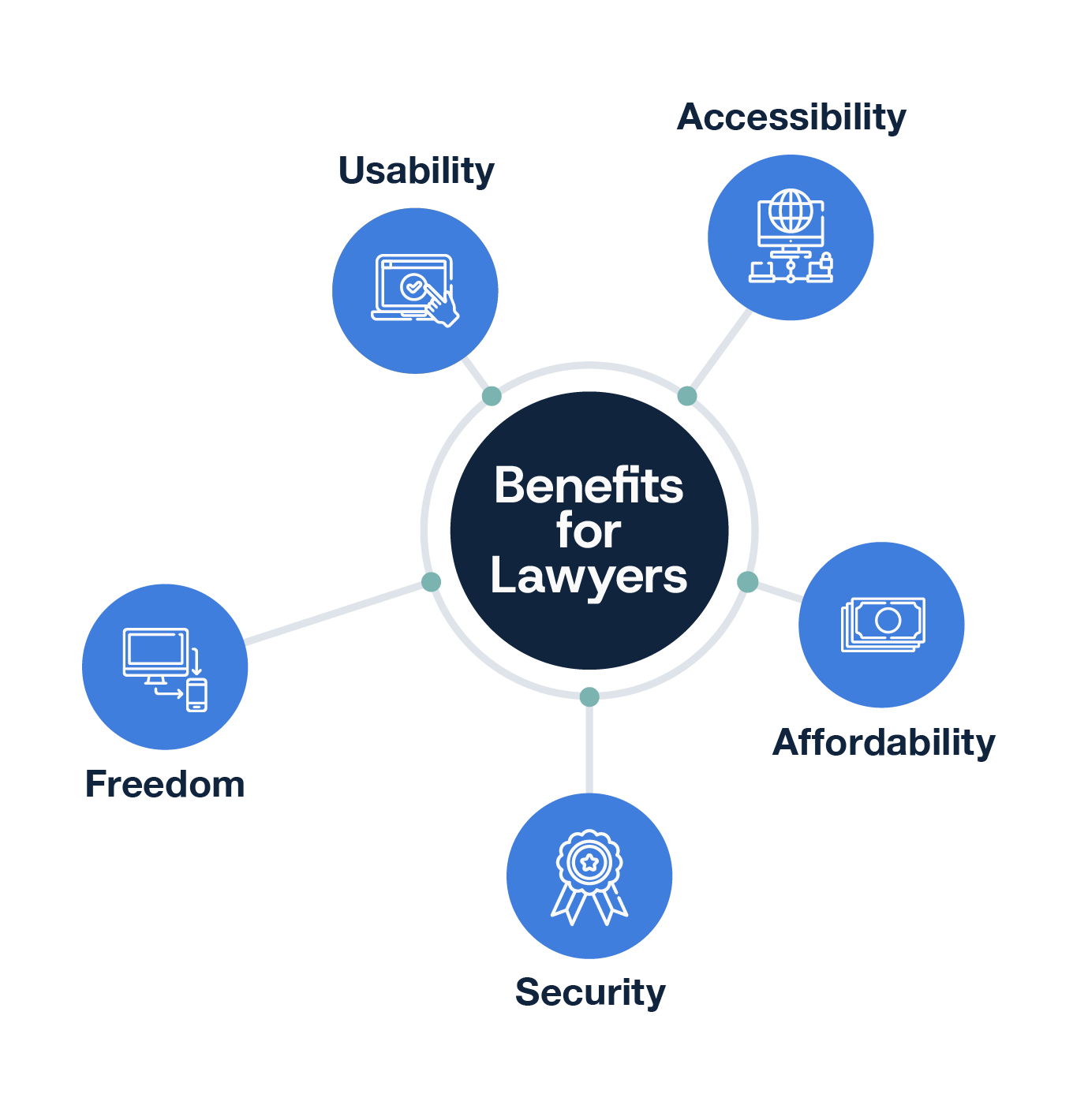
The only concern a legal firm should have with cloud computing is the provider's data handling. Customers should ensure compliance with data privacy rules, access controls for confidential information, data encryption, and other requirements specified in the terms and policies.
Shifting to cloud computing is a necessary solution for legal firms today. All the aspects regarding basic cloud computing were covered in this article, including the current status of legal firms and cloud-based solutions. A detailed explanation of the benefits of this solution to lawyers was also provided.
Provakil provides legal services through a single integrated SaaS platform for legal firms, helping make their jobs easier. Lawyers can stay on top of their game by using these services for legal practice and contract management to better serve their clients' needs.

Dive deep into Provakil's numerous blog posts & discover how legal tech can streamline your litigation, contracts, IP, and notice management processes.